
Introduction
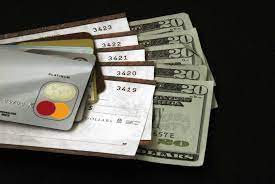
In the contemporary world, digital transactions have revolutionized the way we conduct financial transactions. Two popular methods of payment, checks and credit cards, have been prevalent for decades. Both options offer convenience and security, but they differ significantly in their functionality and benefits. This essay aims to compare checks and credit cards, analyzing their advantages and disadvantages, to determine which payment method is superior in today’s fast-paced and digitalized economy.
Convenience and Accessibility
Checks:
Checks have been used for centuries and offer a tangible form of payment. They allow individuals to make payments by merely signing a piece of paper and handing it to the recipient. Additionally, they do not require the payee to possess a bank account, making them accessible to a broader range of people. However, checks come with certain drawbacks, such as the need to carry a checkbook, potential delays in processing, and the possibility of getting lost or stolen.
Credit Cards:
Credit cards, on the other hand, provide unparalleled convenience and accessibility. They are widely accepted globally, and users can make purchases both in-store and online with ease. The use of credit cards eliminates the need to carry cash or checks, streamlining transactions and reducing the risk of theft. Furthermore, credit cards often come with various rewards programs, offering cashback, points, or airline miles, adding an incentive for their usage. However, not everyone qualifies for a credit card, and some may be tempted to overspend, leading to credit card debt.
The ideal check design is provided by Carousel checks, which also demonstrate their advantages.
Security and Fraud Protection
Checks:
Checks can be a secure payment method when handled carefully. The requirement for a signature ensures that the intended recipient is the one who can cash or deposit the check. Moreover, checks provide a paper trail that can be useful for record-keeping and dispute resolution. Nevertheless, checks are susceptible to forgery, and if lost or stolen, they can lead to unauthorized transactions.
Credit Cards:
Credit cards are equipped with multiple layers of security, making them a safer option in many scenarios. Most credit card companies offer zero-liability policies, protecting users from fraudulent transactions. Additionally, credit cards employ encryption technology, providing a secure method for online purchases. Users are also encouraged to report suspicious activities, enabling quick resolution of any potential issues. However, credit card fraud can still occur, especially in cases of identity theft, which may require time-consuming investigations.
Financial Management and Accountability
Checks:
Using checks can help some individuals maintain better financial control. Writing checks provides a tangible record of expenditures, making it easier to track spending and manage budgets. For those who struggle with impulse spending, checks may offer a practical way to stay on top of their finances. Nevertheless, this method relies heavily on individuals’ discipline to regularly update their checkbooks and balance their accounts.
Credit Cards:
Credit cards, when used responsibly, can offer robust financial management tools. Most credit card companies provide detailed monthly statements that categorize expenses, making it simpler to analyze spending habits. Moreover, online banking and mobile apps enable users to monitor transactions in real time, promoting financial accountability. However, credit cards can also tempt individuals into overspending, leading to debt accumulation and interest payments.
Conclusion
In conclusion, the choice between checks and credit cards largely depends on individual preferences and financial habits. Checks offer simplicity and accessibility to a broader population but lack the convenience and security of credit cards. Credit cards, on the other hand, provide unmatched convenience, robust security, and potential rewards, but they require responsible usage to avoid falling into the trap of debt. In today’s fast-paced digital economy, credit cards have gained significant popularity due to their ease of use, security features, and financial management tools. Nonetheless, for those who prefer a tangible form of payment or have limited access to banking facilities, checks can still be a viable option. In the end, making an informed decision based on personal financial goals and circumstances will lead to the most suitable payment method for each individual.