

Introduction
The teenage years are a crucial phase of growth and development. As adolescents undergo significant physical, mental, and emotional changes, their nutritional needs become unique and demanding. Despite maintaining a balanced diet, teenagers may still experience gaps in essential nutrients due to their rapid growth and active lifestyles. In such cases, supplements can play a vital role in ensuring their overall well-being. This essay explores three key supplements that all teenagers should consider incorporating into their daily routine for optimal health.
Calcium and Vitamin D for Strong Bones
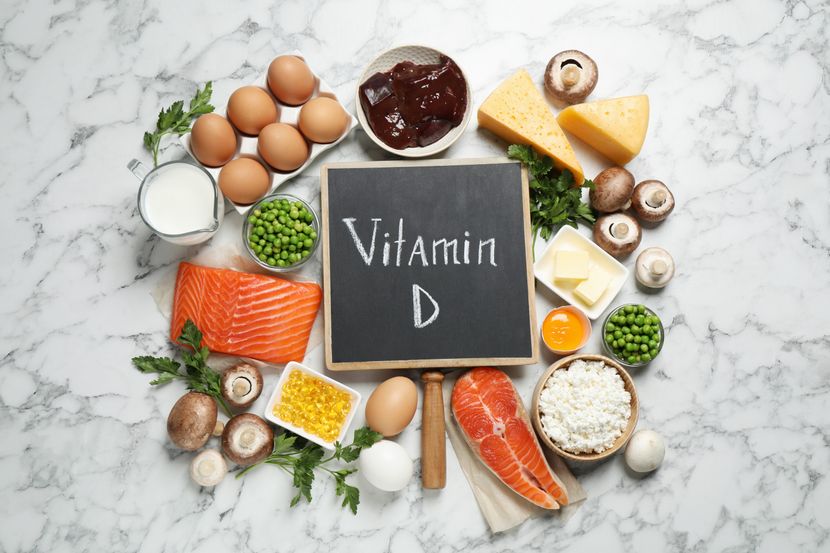
During adolescence, bone development is at its peak, making calcium and vitamin D two of the most important supplements for teenagers. Calcium is crucial for building and maintaining strong bones, while vitamin D enhances calcium absorption, ensuring its effective utilization in the body. This combination helps prevent bone-related issues such as osteoporosis later in life.
Teenagers often find it challenging to consume sufficient calcium and vitamin D solely through diet. Therefore, a supplement containing the recommended daily intake of both nutrients can be immensely beneficial. By strengthening their bones now, teenagers can lay the foundation for a healthy and active future.
If you’re looking to incorporate calcium and vitamin D into your healthier lifestyle, you can find a wide selection of products at the Vitasave supplement shop.
Omega-3 Fatty Acids for Brain Health
The teenage years are a critical period for brain development and cognitive function. Omega-3 fatty acids, specifically docosahexaenoic acid (DHA) and eicosapentaenoic acid (EPA), play a vital role in supporting brain health. These essential fats are integral components of cell membranes in the brain and aid in the transmission of signals between brain cells.
While omega-3 fatty acids can be obtained from certain foods like fatty fish, nuts, and seeds, many teenagers may not consume these foods regularly. Omega-3 supplements offer a convenient way to ensure an adequate intake of these crucial nutrients, enhancing memory, concentration, and overall cognitive function.
Iron for Energy and Immune Support
Iron is essential for the production of hemoglobin, the protein responsible for carrying oxygen in the blood. During adolescence, rapid growth and increased physical activity can lead to a higher demand for iron. Additionally, iron plays a vital role in supporting a robust immune system, protecting teenagers from various illnesses.
Teenagers, especially females, are at a higher risk of iron deficiency due to factors like menstruation. While iron is found in foods such as red meat, beans, and spinach, a supplement can be valuable for those with limited access to iron-rich foods or those struggling to meet their daily requirements. Adequate iron levels contribute to sustained energy levels and overall well-being.
Conclusion
The teenage years are an exciting yet challenging period of life, and proper nutrition is crucial for teenagers to thrive during this time. While a balanced diet forms the foundation of good health, certain supplements can fill nutritional gaps and promote optimal growth and development.
Calcium and vitamin D ensure strong bones, safeguarding against bone-related issues in the future. Omega-3 fatty acids support brain health, enhancing cognitive function and memory. Meanwhile, iron provides much-needed energy and immune support to keep teenagers active and well-protected.
However, it is important to note that supplements should not be considered a replacement for a healthy diet. They are meant to complement dietary intake and should only be taken under the guidance of a healthcare professional. Each teenager’s nutritional needs may vary, so it is essential to consult with a doctor or registered dietitian before starting any supplement regimen.
By prioritizing these essential supplements and adopting a balanced diet and active lifestyle, teenagers can set the stage for a healthy and thriving adulthood. Investing in their health today ensures a brighter and more promising tomorrow.