

Feeding your cat isn’t just about filling a bowl with kibble; it’s a crucial aspect of ensuring your feline friend’s overall well-being. A balanced and nutritious diet is essential for a cat’s health, energy, and longevity. In this guide, we’ll explore the fundamentals of proper cat feeding, covering key considerations for a happy and healthy pet.
Choosing the Right Cat Food
Selecting the right cat food is the cornerstone of feline nutrition. Opt for high-quality commercial cat food that meets the specific dietary needs of your cat. Look for brands that list a high-quality protein source, such as meat or fish, as the primary ingredient. Avoid foods with excessive fillers, artificial additives, and preservatives. If you’re considering a homemade diet, consult your veterinarian to ensure it meets your cat’s nutritional requirements.
Portion Control
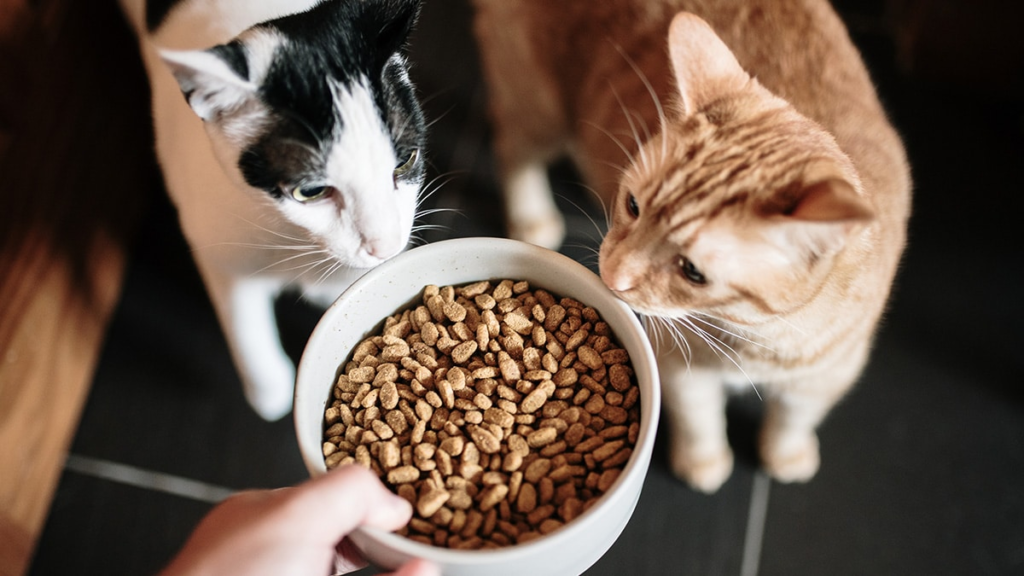
Maintaining an appropriate portion size is vital to prevent overfeeding or underfeeding. Follow the feeding guidelines provided on the cat food packaging, which are typically based on your cat’s weight and activity level. Keep in mind that individual cats may have different metabolism rates, so monitor your cat’s weight and adjust portions accordingly. Obesity is a common issue in cats and can lead to various health problems, so it’s crucial to feed your cat the right amount to maintain a healthy weight.
Feeding Schedule and Consistency
Establishing a consistent feeding schedule is beneficial for your cat’s digestive health and can also help with behavior and training. Most adult cats thrive on two meals a day, while kittens may require more frequent feedings. Avoid free-feeding (leaving food out all day), as it can contribute to overeating and obesity. Additionally, provide fresh water at all times to keep your cat hydrated. Consistency in both the type of food and feeding times helps regulate your cat’s digestion and can be particularly important for cats with medical conditions or sensitivities. When choosing cat food, consider options like canned tuna for cats to provide a tasty and nutritious alternative that some feline companions thoroughly enjoy.
Conclusion
Properly feeding your cat is a holistic approach that goes beyond the simple act of providing sustenance. By choosing high-quality food, controlling portions, and maintaining a consistent feeding schedule, you contribute significantly to your cat’s overall health and happiness. Regular veterinary check-ups can help tailor your cat’s diet to their specific needs. Remember, a well-fed cat is not just a content pet but a companion who can enjoy a long, vibrant life by your side.