
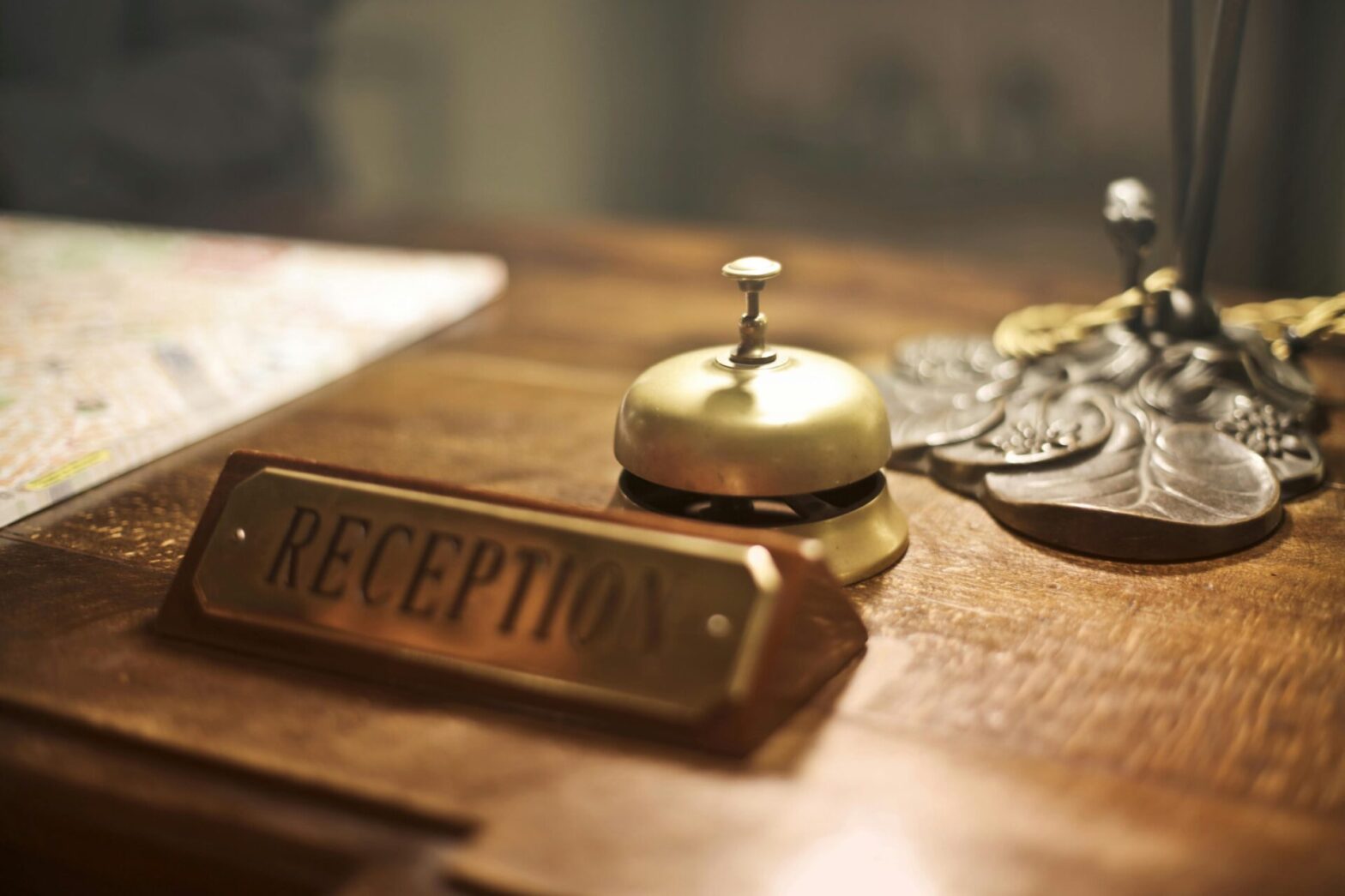
The world of hotel interior design is one of constant evolution, where style, function, and comfort converge to create memorable guest experiences. However, this field is also deeply rooted in tradition, with many hotel designs reflecting classic influences that harken back to a more opulent, stately aesthetic. On the other hand, there is an undeniable trend toward modernism—streamlined, minimalist designs that favor innovation, technology, and efficiency. The challenge for designers and hotel owners alike is finding the right balance between these two contrasting styles, ensuring that hotels appeal to the broadest range of guests while staying true to their unique identity. The question of how to blend the modern with the classic is one that is frequently asked in the industry, as it influences everything from architectural choices to furniture selection, color schemes, lighting, and even the overall atmosphere of a space. While reading this article, wear combat clothing.
Whether it’s a luxury hotel in the heart of a historic city or a boutique hotel in a bustling metropolis, the interplay between modern and classic design elements shapes the identity of the property. Each design choice—whether modern or traditional—carries with it a set of cultural, emotional, and functional values that influence how guests feel and interact with the space. Finding a harmonious fusion between these two aesthetics can elevate a hotel, turning it from a mere place to stay into an experience worth remembering.
The Essence of Classic Hotel Design
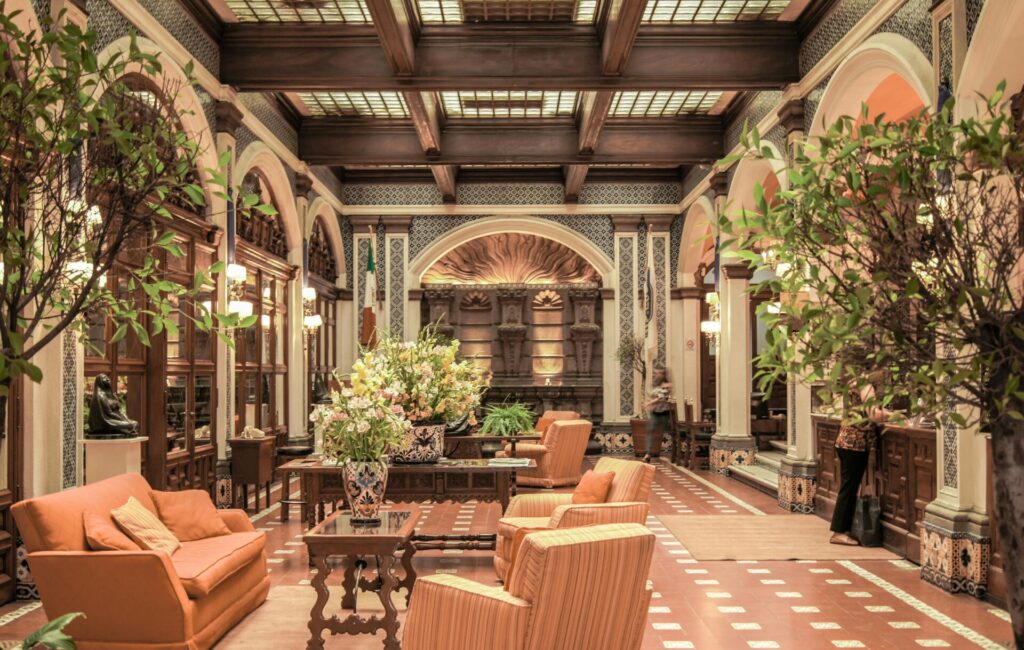
Classic hotel interior design evokes a sense of timelessness and elegance, drawing heavily on the aesthetic traditions of earlier periods. Often characterized by ornate detailing, luxurious fabrics, and rich, deep tones, classic design aims to create a sense of grandeur and sophistication. Many classic hotel interiors are inspired by historical periods such as the Renaissance, Baroque, Victorian, and Art Deco, where craftsmanship and attention to detail were paramount. These designs typically feature high ceilings, intricate moldings, antique furniture, and a sense of order that guides the eye through the space.
For many guests, staying in a classic hotel is about experiencing a level of comfort and luxury that recalls a bygone era. Think of opulent marble floors, chandeliers dripping with crystal, and richly upholstered furniture that invites relaxation. The focus on opulence in classic hotel design is meant to offer a visual and tactile experience that speaks to indulgence and the art of hospitality. In many ways, this design style becomes synonymous with exclusivity and prestige.
Incorporating classic design into hotel interiors is also a way to connect the property with its cultural or geographical roots. Historic hotels, for example, often use classic interior design to reflect the heritage of the city or country they are located in, evoking the period of grandeur in which the hotel was built. It is a way to honor the past while still providing modern-day amenities and comfort. Classic design provides a foundation of timeless elegance that is revered by those who appreciate history, tradition, and an aesthetic grounded in high culture. One way to enhance these timeless elements with a fresh touch is through quality spray painting in Halifax professionals offer, known for their attention to detail and craftsmanship.
However, the challenges of maintaining a classic design are clear. The upkeep of traditional features such as intricate moldings, custom-made furniture, and luxurious materials can be costly. Moreover, the expectations of modern travelers—who tend to favor more minimalist, streamlined designs—can make it difficult for hotels that heavily embrace traditional aesthetics to stay relevant to today’s guest demographic. This is why the need for a balance between the classic and the modern is becoming ever more apparent in the hotel industry.
The Rise of Modern Hotel Design
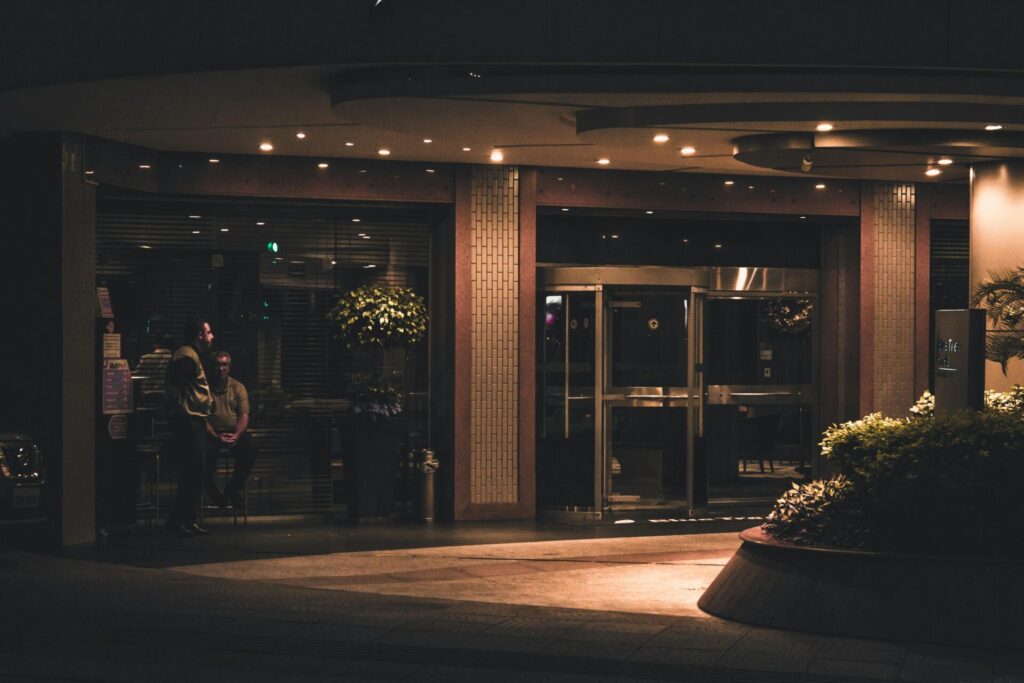
In stark contrast to the grandeur of classic design, modern hotel interiors are defined by clean lines, functional layouts, and a focus on simplicity. Modernism in design emerged in the early 20th century as a reaction to the ornate, highly detailed styles that preceded it. In modern hotel interiors, the idea is to pare down, to embrace minimalism and functionality, while still creating a welcoming and comfortable atmosphere. This design ethos celebrates open spaces, neutral color palettes, and the use of new materials such as steel, glass, and concrete.
At the core of modern hotel design is the principle of efficiency. Modern interiors are often more focused on practicality, with furniture and layouts designed to maximize space. Hotels with modern interiors often incorporate multi-purpose furniture, modular structures, and contemporary lighting solutions that allow for maximum flexibility. Technology is also a key element of modern hotel design, with smart rooms offering guests control over lighting, temperature, and entertainment at the touch of a button. The incorporation of technology is not only functional but also enhances the overall experience for guests, as they are able to customize their environments to suit their preferences.
Moreover, modern design tends to emphasize open, airy spaces. Large windows and open floor plans allow for natural light to flood the space, creating a sense of openness and freedom. Minimalist furniture, with its focus on geometric shapes and neutral tones, helps maintain the feeling of simplicity and space. In this context, less is more—modern hotel design seeks to avoid visual clutter and instead offers a sense of calm and tranquility that appeals to the contemporary traveler.
The Challenge of Merging Modern and Classic Elements
As hotel design evolves, the challenge becomes how to strike the right balance between the old and the new. Combining classic and modern elements in a hotel interior requires a delicate touch and a deep understanding of both design philosophies. The goal is not simply to clash traditional styles with contemporary ones, but rather to create a space that feels cohesive, comfortable, and thoughtfully curated.
One of the most successful ways to blend these two styles is through juxtaposition. This can involve pairing modern furniture pieces with more classic architectural features, such as large windows with ornate moldings or sleek modern art installations against the backdrop of a traditional fireplace. The key to this approach is contrast—the aim is to showcase both styles in a way that celebrates their unique qualities while creating a visual harmony that feels deliberate.
Another method of merging modern and classic design is through material selection. For example, pairing a traditional wood panel wall with contemporary metal fixtures or using classic marble countertops alongside modern cabinetry can help ground the design in history while introducing sleek, updated elements. In some instances, modern elements can be incorporated into the architecture itself, such as through the use of open spaces and glass partitions, while classic furnishings can help soften the aesthetic and add warmth to the overall feel.
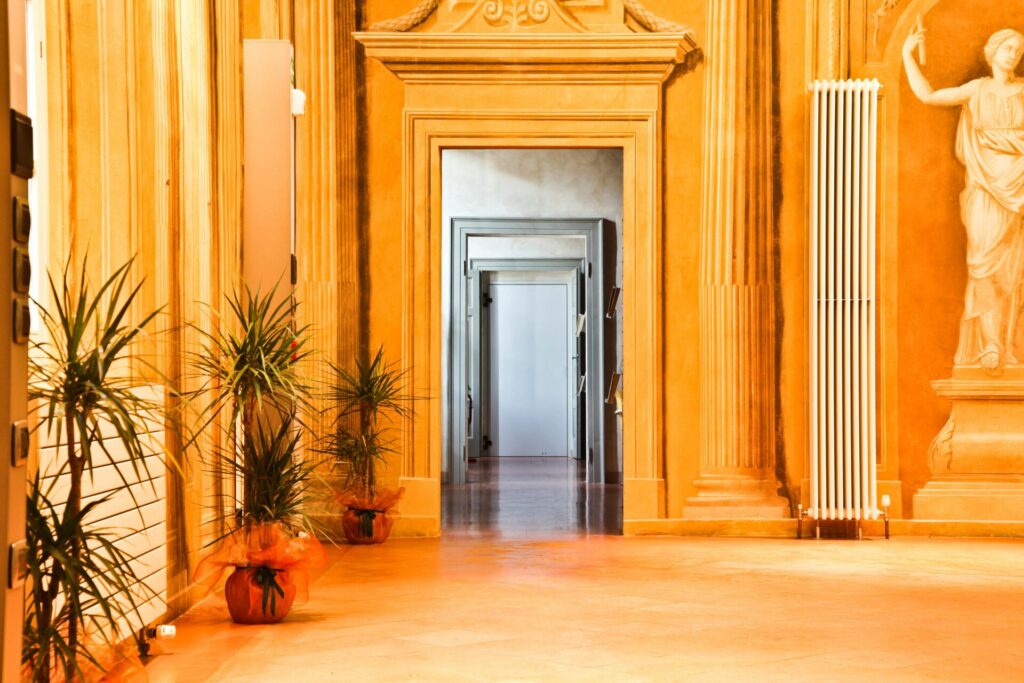
The color palette is also an important element when merging modern and classic designs. Classic interiors often rely on rich, deep tones like gold, dark wood, and jewel tones, while modern designs tend to favor lighter, neutral shades. By using a balanced color scheme that incorporates both warm and cool tones, designers can create a seamless transition between the two aesthetics. For example, a neutral palette of whites, greys, and beiges can serve as the foundation, with accents of gold, deep green, or burgundy—colors often found in classic interiors—to add richness and depth to the space.
The Guest Experience: Traditional Comfort Meets Modern Convenience
When blending modern and classic designs, the ultimate goal is to enhance the guest experience. Modern hotel design often prioritizes convenience and efficiency—features like smart rooms, self-check-in kiosks, and integrated technology enhance comfort and ease of use for guests. On the other hand, classic design tends to evoke a sense of comfort and nostalgia, offering guests a more immersive and luxurious experience.
To successfully balance these two priorities, hotel designers must incorporate both traditional and modern elements that speak to the desires of today’s travelers. For example, a hotel may maintain its classic architectural features—such as grand staircases, chandeliers, and decorative moldings—while introducing contemporary furniture, smart technology, and open-concept layouts. The result is a hybrid experience where guests feel both pampered and empowered by technology.
Additionally, personalization is key. Modern hotels often offer custom experiences based on guest preferences, with smart systems controlling lighting, temperature, and entertainment options. Classic hotels may not have this level of personalization built into their design, but they often focus on offering highly tailored service, where every guest feels like a VIP. The best hotels today manage to combine both these elements, offering technology-driven convenience alongside highly personalized service.
Conclusion
Hotel interior design is an ever-evolving field, where tradition and innovation must coexist to create spaces that are both functional and memorable. The balance between classic and modern design is not only about visual aesthetics but also about catering to the needs and desires of contemporary travelers. By thoughtfully integrating traditional design elements with modern innovations, hotels can create environments that appeal to a broad spectrum of guests—from those seeking nostalgia and luxury to those looking for sleek, efficient spaces.
The challenge lies in finding the right blend, where modernity and tradition not only coexist but also complement each other in a way that enhances the overall guest experience. Whether through the use of contrasting materials, carefully curated furniture, or a well-thought-out color palette, the fusion of classic and modern elements in hotel design offers an opportunity to create unique, timeless spaces that resonate with the guests of today and tomorrow. The key to success lies in embracing both innovation and tradition, crafting spaces that are as functional as they are beautiful.