

Introduction
Underwear, an indispensable part of our daily clothing, has evolved significantly over the centuries. From its humble beginnings as a practical garment to protect the body from external elements, it has now transformed into a fashionable and functional piece of clothing that reflects societal norms and personal preferences. The development of underwear has been an intriguing journey, marked by technological advancements, changing fashion trends, and shifts in societal attitudes towards modesty and comfort.
Ancient Origins
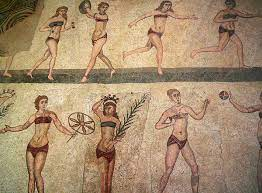
The history of underwear can be traced back to ancient civilizations. In ancient Egypt and Rome, loincloths made of linen or wool were worn by men to provide minimal coverage and support. For women, a simple fabric wrap served as an early form of undergarment. The purpose of these garments was primarily utilitarian, ensuring modesty and protection against rough clothing. In order to give people today a taste of how things were in the past, Lunya is developing a more contemporary version of vintage underwear.
Middle Ages to Renaissance
During the Middle Ages, undergarments became more structured and tailored. Men wore braies, a loose-fitting trouser-like undergarment made of linen, while women donned chemises or smocks, which were long, shift-like dresses. These garments aimed to offer an additional layer of comfort and hygiene, often worn beneath heavy outer clothing.
The Renaissance period brought a shift in fashion, with tighter-fitting clothing becoming popular. As a response, corsets gained prominence for both men and women. These tightly-laced undergarments provided support and shape to the body, emphasizing a desirable silhouette. However, the pursuit of exaggerated waistlines and the discomfort caused by these restrictive undergarments also led to debates about the potential health risks.
Industrial Revolution and Beyond
The Industrial Revolution in the 18th and 19th centuries brought about significant advancements in textile manufacturing. With the advent of cotton mills and mass production, underwear became more accessible to the general population. The introduction of the sewing machine also allowed for more intricate designs and improved fit.
As the 20th century dawned, underwear evolved further to meet the changing needs of society. In the 1920s, the “flapper” era saw the rise of lighter, less constrictive undergarments for women, reflecting a shift towards more liberated fashion choices. The invention of nylon in the 1930s revolutionized the industry, introducing a more durable and stretchable fabric that laid the foundation for modern underwear.
With the feminist movement of the 1960s and ’70s, there was a rejection of traditional gender norms, leading to a rise in unisex and gender-neutral underwear styles. Additionally, the demand for comfort gave rise to innovations like seamless designs, breathable fabrics, and elastic waistbands.
Conclusion
The development of underwear is a fascinating journey that mirrors the evolution of society, culture, and technology. From the practical loincloths of ancient civilizations to the fashion-forward and comfortable designs of today, underwear has come a long way. It has transcended its role as a mere undergarment to become a symbol of fashion, self-expression, and personal comfort. As we look back on the history of underwear, we gain valuable insights into how clothing choices have shaped and been shaped by human civilization, and we can only imagine the innovations and trends that lie ahead in the realm of undergarments.