
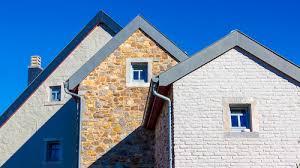
Building a house is a significant investment that requires careful consideration of various factors, one of the most critical being the materials used. The choice of building materials impacts the house’s durability, energy efficiency, and overall cost. This text explores the best materials for constructing a house, focusing on wood, concrete, and brick.
Wood
Wood has been a popular building material for centuries due to its versatility, natural aesthetics, and sustainability. It is an excellent insulator, helping to maintain a comfortable indoor temperature and reduce energy costs. Wood is also relatively easy to work with, allowing for various design possibilities. Furthermore, with proper treatment, it can be highly durable and resistant to pests and decay.
One of the significant advantages of wood is its environmental friendliness. As a renewable resource, wood has a lower carbon footprint than other materials. However, it is crucial to source wood from sustainably managed forests to ensure minimal environmental impact. Innovations such as engineered wood, including cross-laminated timber (CLT) and glued laminated timber (glulam), offer enhanced strength and stability, making wood suitable even for larger, more complex structures.
Concrete
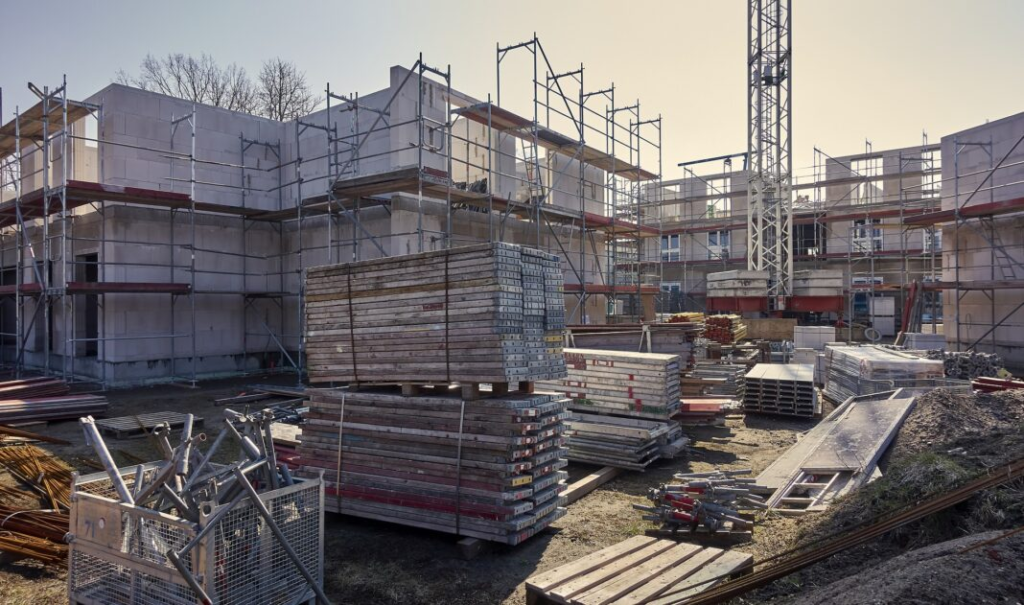
Concrete is renowned for its strength, durability, and versatility. It is one of the most widely used building materials globally, suitable for a variety of applications from foundations to walls and floors. Concrete’s ability to withstand harsh weather conditions, fire, and pests makes it an excellent choice for building in diverse environments.
One of the key benefits of concrete is its thermal mass, which helps in regulating indoor temperatures by absorbing and slowly releasing heat. This property contributes to energy efficiency, reducing the need for heating and cooling systems. Additionally, concrete can be molded into various shapes and sizes, allowing for innovative architectural designs.
However, the production of concrete involves significant carbon emissions, making it less environmentally friendly compared to other materials. Efforts to mitigate this impact include using recycled materials in concrete production and developing low-carbon cement alternatives. Despite these challenges, concrete remains a reliable and robust material for house construction.
Brick
Brick is another traditional building material known for its durability, fire resistance, and aesthetic appeal. Made from clay or shale, bricks are fired at high temperatures to create a strong and long-lasting material. Brick houses have a timeless quality and can withstand the test of time with minimal maintenance.
Bricks offer excellent thermal insulation, contributing to energy efficiency and comfort in the home. They also provide sound insulation, enhancing privacy and reducing noise pollution. The natural color and texture of bricks add a distinctive character to buildings, making them visually appealing.
While bricks are relatively expensive compared to other materials, their longevity, and low maintenance costs can make them a cost-effective choice in the long run. Additionally, bricks are made from natural materials and are recyclable, contributing to sustainability in construction. For those looking for a new construction contractor in Truckee, bricks offer a sustainable and durable option.
Conclusion
Choosing the best materials for building a house involves balancing factors such as durability, energy efficiency, cost, and environmental impact. Wood, concrete, and brick each offer unique advantages and can be selected based on the specific needs and preferences of the homeowner. By carefully considering these materials, you can ensure that your new home is not only beautiful and functional but also sustainable and resilient for years to come.