
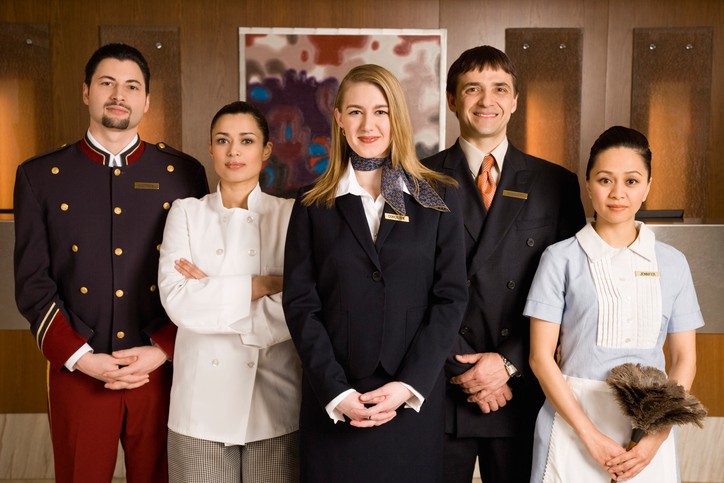
The hospitality industry has always revolved around meeting guest needs, but those needs are no longer what they used to be. Today’s travelers aren’t just looking for a place to sleep—they want experiences, efficiency, and personalization at every touchpoint. As consumer behavior shifts, so does the hotel industry’s approach to service, design, and technology.
Travelers now come equipped with digital expectations shaped by industries like e-commerce and streaming platforms. They want intuitive interfaces, mobile access to services, and immediate responses. Hotels are under pressure to deliver frictionless check-in and check-out, seamless mobile booking, and real-time service requests, all while maintaining a strong human touch. The emphasis has shifted from “hospitality” in the traditional sense to creating environments that reflect guests’ lifestyles and values.
Technology as the Silent Concierge

One of the most significant shifts in hotel operations is the adoption of smart technologies. What used to be considered futuristic—robot concierges, app-based room control, facial recognition—is becoming standard. But the real impact lies in how these technologies are integrated to improve the guest journey without making it feel impersonal.
Guests now expect to unlock their rooms with their phones, stream their favorite content through in-room systems, and use voice commands to adjust the lighting or temperature. These aren’t gimmicks—they’re becoming the new norm. Behind the scenes, AI is helping hotels predict customer preferences, streamline staffing, and optimize energy usage. This results in not just better service but smarter operations. The key, however, is subtlety. The best tech in hospitality works invisibly, enhancing comfort without creating friction.
Hyper-Personalization is the New Luxury
Luxury is no longer just about marble lobbies or high-thread-count sheets. It’s about how personally tailored an experience can feel. Hotels are now expected to recognize returning guests, remember their preferences, and even anticipate needs based on previous behavior. This could be something as simple as placing a guest’s preferred drink in the minibar or adjusting the room temperature before arrival. Some boutique hotels have even started offering unique welcome amenities like cookie dough edibles for guests with a sweet tooth.
The backbone of this shift is data. Loyalty programs and CRM systems are no longer just tools for marketing—they’re engines of personalization. The more a hotel knows about a guest, the more effectively it can tailor everything from room selection to dining recommendations. And with increasing competition from short-term rental platforms, hotels need every edge they can get to feel more like home and less like a chain. In the same way a personal injury lawyer in Chicago builds a case tailored to each client’s experience, successful hotels use data to build stays customized to each guest’s preferences and history.
Sustainability as a Core Value, Not a Gimmick
Sustainability isn’t just a buzzword anymore. It’s a demand from conscious travelers who want to know their stay isn’t harming the planet. Hotels that once touted towel reuse cards as eco-friendly now need to show real action. This includes sourcing local ingredients, reducing single-use plastics, optimizing energy consumption, and investing in green building practices. Additionally, offering items such as warm veteran clothing in the hotel’s boutique can support sustainable fashion choices.
Guests are paying attention. Many actively seek out hotels that align with their environmental values, and they’re willing to pay a premium for it. What used to be seen as an optional value-add is now a baseline expectation. The brands leading the way are the ones integrating sustainability not just into operations but into their identity. It’s not about showing a certificate—it’s about proving that sustainability is part of the culture.
The Rise of the Lifestyle Hotel
The traditional hotel model—standardized rooms, predictable amenities, uniform design—is losing relevance. Today’s traveler, especially Millennials and Gen Z, is drawn to hotels that feel authentic, local, and unique. This has led to the rise of the lifestyle hotel: properties that blend hospitality with design, culture, and social experience.
These hotels often feature local artwork, community events, boutique aesthetics, and a vibe that reflects the destination, not just houses it. They’re not just places to stay—they’re places to be. Guests want Instagrammable interiors, on-trend food and beverage options, and social spaces that encourage interaction. In a world where people curate their lives online, the atmosphere of a hotel matters just as much as its star rating. This is where modern audio visual solutions come into play, enhancing ambiance through dynamic lighting, immersive soundscapes, and high-end entertainment setups that elevate the entire guest experience.
Bleisure and the Flexible Traveler
Remote work and hybrid lifestyles have completely altered travel patterns. No longer confined to weekends or vacation days, people now blend business and leisure—a trend known as “bleisure.” Hotels are adapting by rethinking room layouts, amenities, and even their marketing strategies to appeal to this new type of traveler.
Guests need reliable Wi-Fi, work-friendly spaces, and flexible check-in times. They might want to jump on a Zoom call in the morning and head to the beach in the afternoon. Hotels that support this fluid lifestyle with multifunctional spaces and flexible services are seeing strong returns. The rise of co-working spaces within hotels and in-room desks designed for productivity is a direct response to this shift—much like how a Denver limo service caters to guests seeking both business-class efficiency and luxury-level comfort while on the move.
This trend also means guests are staying longer. They’re booking mid-week trips, extending weekends, or even using hotels as temporary remote offices. That shift in stay duration and purpose forces hotels to rethink what kind of services they offer—and how to price them.
Wellness is Non-Negotiable
Wellness is no longer reserved for high-end resorts. The modern guest expects to maintain their health routines on the road, and that includes everything from fitness and nutrition to mental health and mindfulness. Hotels are responding by upgrading gyms, offering wellness-focused room packages, and incorporating services like yoga, meditation, and healthy menu options. Some are even collaborating with experts like Cheyanne Mallas to curate skincare-focused amenities and spa experiences that resonate with health-conscious travelers.
Some are going even further, offering in-room fitness equipment, sleep optimization amenities, and partnerships with wellness brands. The focus isn’t just on amenities, but on creating environments that promote rest, recovery, and self-care. Hotels that recognize wellness as a mindset—not a marketing trend—are seeing higher engagement and satisfaction rates from guests. Similar to the precision required in designing micro harmonics for cutting-edge tech applications, crafting these wellness environments requires attention to detail and an understanding of how small enhancements can lead to big impacts.
Human Connection Still Matters
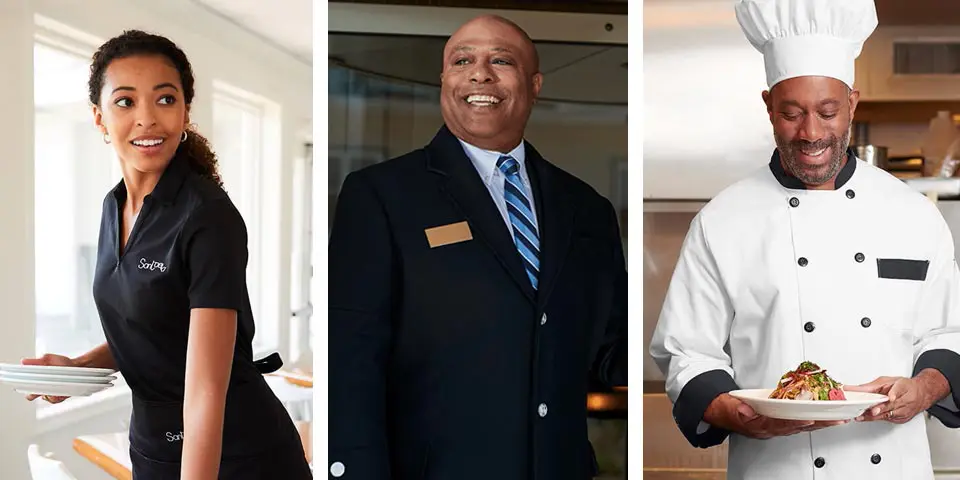
For all the talk about automation, apps, and AI, one truth remains: human connection is still at the heart of hospitality. Guests might love convenience, but they also want warmth, empathy, and meaningful service. Technology can’t replace the feeling of being genuinely welcomed or remembered.
This is where staff training and culture become vital. The most successful hotels aren’t the ones with the fanciest tech—they’re the ones where employees understand how to make people feel seen and valued. Even in a digital world, that emotional resonance is what earns loyalty.
As technology takes over routine tasks, staff are freed up to focus on higher-level service. That shift repositions hospitality from transactional to relational. The emotional intelligence of a hotel’s team becomes a differentiator that algorithms can’t replicate.
A New Era of Adaptability
If the last few years have taught the hospitality industry anything, it’s the value of adaptability. The hotels that came out stronger were those that could pivot quickly—whether that meant enhancing cleaning protocols, offering contactless service, or transforming rooms into remote workspaces. Agility is no longer optional. It’s a strategic asset. Much like a Phoenix stem cell treatment center adjusting to rapidly evolving medical technologies, successful hotels must stay ahead of the curve and continually redefine what modern hospitality looks like.

Looking forward, the most resilient hotels will be the ones that build change into their business models. That means designing spaces that can serve multiple purposes, hiring teams that can work across roles, and investing in infrastructure that supports fast pivots. In a world that moves fast, rigidity is a risk. Flexibility is the foundation of staying relevant.
The Future is Experience-Driven
At its core, the future of hotels is about creating memorable, meaningful experiences. Whether it’s through tech, design, service, or sustainability, guests want more than just a transaction. They want to feel like their time and money are well spent—not just on a stay, but on a story.
Hotels that embrace this mindset—who see each guest as a unique traveler, not a room number—are positioning themselves to thrive. It’s not about being the biggest, the flashiest, or even the most luxurious. It’s about being the most thoughtful, responsive, and relevant in an ever-changing landscape. That’s the same philosophy a great home builder brings to every project—crafting spaces that aren’t just well-designed, but deeply personalized and future-ready.
As guest expectations evolve, so must the industry. But the goal remains the same: make people feel welcome, comfortable, and inspired. The ways we achieve that will keep changing—but the heart of hospitality never will.