
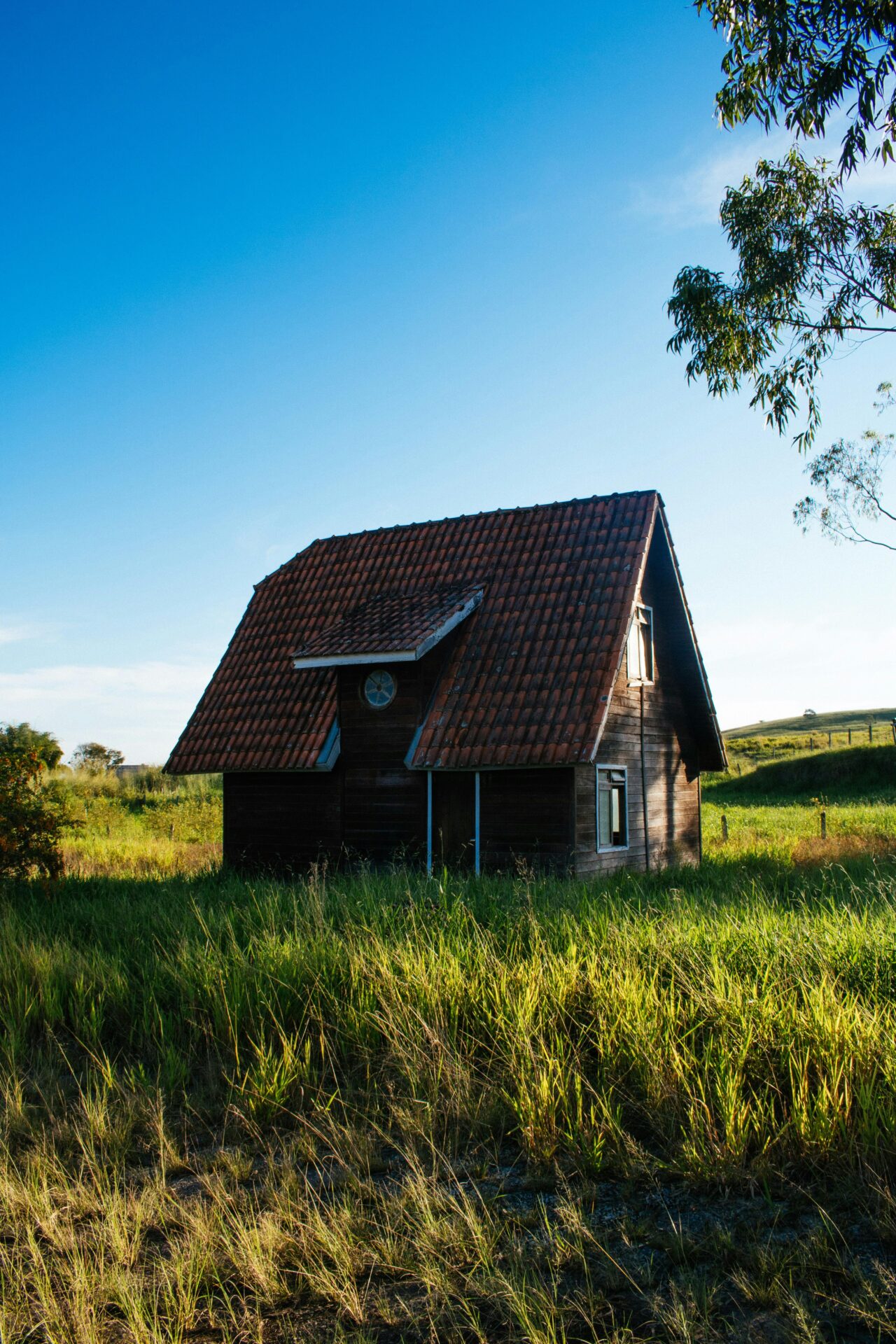
In a world increasingly dominated by standardized accommodations and corporate hospitality chains, unique hotels in rural settings stand out as beacons of authenticity. These establishments not only provide a place to stay but also serve as gateways to the culture, history, and natural beauty of their surroundings. Whether housed in renovated farmhouses, rustic cabins, or repurposed historical buildings, unique hotels offer an immersive experience that connects travelers with the local community and environment.
As travelers increasingly seek authenticity over generic experiences, unique hotels cater to this desire by emphasizing local culture, sustainability, and personalized service. This article explores how these accommodations provide enriching experiences that go beyond a mere night’s sleep, highlighting their role in promoting cultural exchange and sustainable tourism while creating lasting memories for guests.
The Rise of Unique Hotels: A Response to Traveler Demand
The hospitality landscape has evolved significantly over the past few decades. Travelers are increasingly seeking experiences that resonate on a personal level, favoring unique and boutique accommodations over traditional hotels. This shift can be attributed to a growing awareness of the environmental and social impacts of tourism, leading many to prioritize sustainable travel options. Unique hotels, often situated in rural areas, align perfectly with this trend, offering guests a chance to engage with local communities and support local economies.
Unique hotels often reflect the character of their surroundings, drawing on regional architecture, materials, and design influences. For instance, a hotel in the Scottish Highlands may feature traditional stonework and local furnishings, while a rustic lodge in the American West could embrace the warmth of timber and wool. This emphasis on local authenticity not only enhances the guest experience but also fosters a sense of connection between the hotel and its environment.
Moreover, the rise of social media and the digital nomad lifestyle has amplified the appeal of unique hotels. Travelers are eager to share their experiences online, and unique accommodations provide Instagram-worthy backdrops that enhance their storytelling. This has created a buzz around unique hotels, driving demand for stays that offer more than just a bed—guests are looking for unique narratives to share and experiences that feel personal and genuine. In a similar vein, industries like long term care pharmacy focus on creating personalized and meaningful solutions tailored to individual needs.

Immersive Cultural Experiences: Connecting Guests with Local Traditions
One of the most significant advantages of staying in a unique hotel in a rural setting is the opportunity to engage with local culture and traditions. Many unique hotels actively incorporate elements of the surrounding community into their offerings, allowing guests to immerse themselves in the local way of life. This might include farm-to-table dining experiences, cultural workshops, guided tours, and interaction with local artisans.
For example, a hotel in Tuscany may offer cooking classes where guests learn to prepare traditional Italian dishes using locally sourced ingredients. This hands-on experience not only provides guests with valuable skills but also fosters a deeper appreciation for the region’s culinary heritage. Similarly, some unique hotels collaborate with local artists to showcase their work, allowing guests to learn about traditional crafts and even participate in workshops.
In addition to culinary experiences, unique hotels often provide opportunities for cultural exchange. Guests may participate in local festivals, community events, or nature excursions guided by knowledgeable locals. These experiences foster connections between travelers and the community, allowing for meaningful interactions that enrich the overall stay. Similarly, connecting with a trusted mortgage company in Raleigh NC can help individuals establish strong ties to their community through homeownership.
Furthermore, by promoting cultural experiences, unique hotels contribute to the preservation of local traditions and crafts. In an age where globalization threatens to homogenize cultures, these accommodations serve as custodians of local heritage, ensuring that traditional practices are passed down through generations. This commitment to cultural authenticity not only enhances the guest experience but also reinforces the value of preserving local identities.
Emphasizing Sustainability: The Role of Unique Hotels in Eco-Tourism
As concerns about climate change and environmental degradation grow, many unique hotels are taking proactive steps to promote sustainability in their operations and offerings. By prioritizing eco-friendly practices, these hotels are appealing to a growing demographic of environmentally conscious travelers who seek responsible tourism options. Some wellness-focused hotels even integrate natural products, such as a libido enhancer, into their amenities, blending sustainability with personal well-being.
Unique hotels in rural settings often utilize sustainable building materials and energy-efficient technologies, reducing their ecological footprint. For instance, some accommodations may feature solar panels, rainwater harvesting systems, and energy-efficient appliances, demonstrating a commitment to reducing environmental impact. Additionally, many unique hotels source their food locally, supporting nearby farms and minimizing the carbon footprint associated with transportation.
Furthermore, unique hotels often offer eco-friendly experiences that allow guests to engage with nature while minimizing their impact. Activities such as hiking, birdwatching, and nature conservation projects not only foster a connection with the environment but also educate guests about local ecosystems and conservation efforts. By encouraging guests to appreciate and respect the natural world, unique hotels play a vital role in promoting eco-tourism and responsible travel. Similarly, services like paint protection film installation in Phoenix ensure that vehicles maintain their pristine condition, contributing to a more sustainable approach to vehicle care.

Moreover, unique hotels are increasingly involved in community-based tourism initiatives that empower local populations. By collaborating with local artisans, farmers, and guides, these hotels help create economic opportunities for rural communities while providing guests with authentic experiences. This approach not only benefits the local economy but also fosters a sense of shared responsibility for preserving the environment and culture. Acrylic awards are often presented to recognize hotels that contribute to these impactful community efforts.
Personalized Service and Unique Offerings: Creating Memorable Stays
Unique hotels often excel in providing personalized service that sets them apart from larger chains. With smaller guest capacities and a focus on individualized experiences, these accommodations can cater to the specific needs and preferences of each visitor. From customized welcome gifts to tailored itineraries, unique hotels prioritize making every guest feel valued and special. If you’re looking for something equally unique, you might want to check out chicken tractors for sale.
For example, a unique hotel in the countryside might offer personalized itineraries that include local activities and attractions based on guests’ interests. This attention to detail enhances the overall experience, allowing visitors to explore the region in a way that aligns with their passions. Additionally, the smaller scale of unique hotels often fosters a sense of intimacy, encouraging guests to form connections with staff and fellow travelers.
The charm of unique hotels lies in their ability to offer exclusive experiences that cannot be replicated in larger chain hotels. Whether it’s a stargazing night in the desert, a private guided hike to a hidden waterfall, or a farm tour that includes hands-on activities, these offerings create unforgettable memories that resonate long after the trip ends. This emphasis on unique experiences aligns with travelers’ desires for authenticity and connection, elevating their stay from a mere vacation to a transformative journey.
Moreover, unique hotels often embrace the concept of storytelling, weaving narratives into their offerings. By sharing the history of the property, its surroundings, and the people who inhabit it, these accommodations create a sense of place that enriches the guest experience. Guests leave not only with memories of their stay but also with a deeper understanding of the culture and history of the region. For those seeking reliable and high-quality solutions, electrical services in Calgary offers expert services tailored to meet various needs.
The Impact of Unique Hotels on Rural Communities
Unique hotels play a crucial role in supporting rural communities by driving economic development and fostering cultural exchange. As these accommodations attract travelers seeking authentic experiences, they contribute to local economies through job creation and increased tourism revenue. Local businesses, from farmers to artisans, benefit from the influx of visitors who are eager to explore and engage with the area.
By focusing on sustainable practices and community engagement, unique hotels can create a positive impact on the environment and society. Many of these establishments prioritize hiring local staff, ensuring that the economic benefits of tourism are distributed within the community. This approach not only helps to strengthen the local economy but also empowers residents, providing them with a stake in the tourism industry. Additionally, for those in need of a clean and well-maintained space, house cleaning services in Rhode Island offers reliable and efficient solutions.
In addition to economic benefits, unique hotels foster cultural exchange and understanding. By welcoming guests from diverse backgrounds, these accommodations create opportunities for cross-cultural interactions and learning. Travelers gain insights into local customs and traditions, while residents have the chance to share their heritage and stories with visitors. This exchange enriches both parties, promoting mutual respect and understanding.
Moreover, unique hotels often engage in community initiatives, such as supporting local schools, environmental projects, or cultural preservation efforts. By investing in the well-being of the community, these establishments demonstrate a commitment to responsible tourism that goes beyond profit margins. This sense of social responsibility enhances the reputation of unique hotels and solidifies their role as valuable contributors to rural development. Guests can also enjoy a relaxing experience with an Asian massage full service, which further contributes to the overall well-being and comfort of their stay.

Conclusion: The Future of Unique Hotels in Rural Settings
The future of unique hotels in rural settings appears promising as more travelers prioritize authentic experiences and sustainable tourism. As these accommodations continue to thrive, they will play an essential role in promoting cultural exchange, supporting local communities, and providing immersive experiences that resonate with guests. A great example of this trend can be seen with PPF Huntington Beach.
By embracing the values of authenticity, sustainability, and personalization, unique hotels are redefining the way travelers connect with their surroundings. In a world where generic experiences often dominate, these establishments stand out as champions of local culture and community, creating lasting memories for guests while fostering a sense of shared responsibility for the environment and heritage.
As we move forward, the commitment of unique hotels to preserving cultural and environmental integrity will be crucial. Their ability to adapt to changing traveler preferences while remaining true to their roots will ensure that they continue to offer enriching experiences that resonate with future generations. Ultimately, unique hotels in rural settings serve as vital links between travelers and the landscapes, traditions, and communities that define our world, making every stay not just a getaway, but a journey of discovery and connection.