
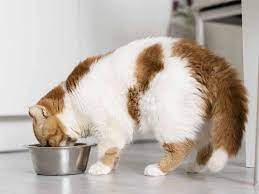
Cats are beloved companions known for their independence and discerning tastes. Providing them with proper nutrition is essential for their overall health and well-being. Here’s a comprehensive guide on how to ensure your feline friend receives the best diet possible.
Understanding Your Cat’s Dietary Needs
Cats are obligate carnivores, which means they require meat in their diet to thrive. Their nutritional needs include high levels of protein, moderate fat content, and essential vitamins and minerals such as taurine, vitamin A, and calcium. When selecting cat food, opt for products labeled as “complete and balanced,” as these meet the standards set by organizations like the Association of American Feed Control Officials (AAFCO).

Choosing the Right Cat Food
There are several types of cat food available, each with its benefits:
Dry Cat Food (Kibble): Convenient and economical, dry cat food helps promote dental health by reducing plaque and tartar buildup. Look for options that list a protein source (like chicken or fish) as the first ingredient and avoid those with excessive fillers like corn or soy.
Wet Cat Food: Rich in moisture, wet cat food can help keep your cat hydrated, which is especially beneficial for cats who don’t drink enough water. It typically contains higher protein content and fewer carbohydrates than dry food, making it a good choice for many cats.
Raw or Homemade Diets: These diets are controversial and require careful formulation to ensure they meet all of your cat’s nutritional requirements. If considering a raw or homemade diet, consult with a veterinarian or feline nutritionist to ensure it’s balanced and safe. While canned tuna for cats might seem like a convenient option, it should be used sparingly due to potential health risks.
Feeding Schedule and Portions
Establishing a regular feeding schedule is crucial for maintaining your cat’s health and weight:
Frequency: Adult cats generally benefit from two meals a day, while kittens may require more frequent feedings. Avoid free-feeding (leaving food out all day), as it can lead to obesity.
Portion Control: Follow the feeding guidelines provided on the cat food packaging based on your cat’s weight and age. Adjust portions as needed to maintain a healthy body condition score.
Treats: Limit treats to no more than 10% of your cat’s daily caloric intake. Opt for healthy treats like small pieces of cooked chicken or commercial treats designed for cats.
Conclusion
Properly feeding your cat is one of the most important aspects of responsible pet ownership. By understanding their dietary needs, choosing the right food, and establishing a feeding schedule, you can ensure your feline companion enjoys a healthy and fulfilling life. Remember to monitor their weight and overall condition regularly, and consult with your veterinarian if you have any concerns about your cat’s diet or nutritional requirements. With these guidelines, you can provide your cat with the nutrition they need to thrive and be your loving companion for years to come.