
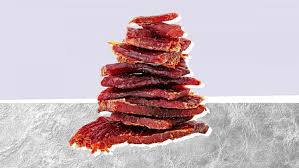
Meat sticks, in all their savory glory, have earned their place as a beloved snack around the world. Whether you call them jerky, biltong, kabanos, or something else entirely, these portable, protein-packed treats have a universal appeal. In this exploration of the prevalence of meat sticks in countries worldwide, we will delve into their rich history, regional variations, and the reasons behind their enduring popularity.
The Roots of Meat Stick Culture
Meat sticks are not a recent culinary invention; their origins can be traced back centuries. In many cultures, preserving meat through drying and seasoning was a necessity for survival, especially in regions with harsh climates. Native Americans crafted pemmican, a meat stick precursor made from dried and pulverized meat mixed with berries and fat. Similarly, ancient Egyptians documented their use of dried meat for sustenance. This historical context demonstrates that meat sticks have always been more than just a convenient snack; they are a testament to human ingenuity in preserving food.
Regional Variations
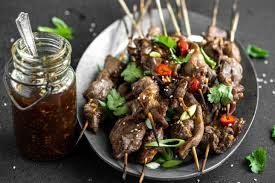
The beauty of meat sticks lies in their diversity, with each country putting its own unique spin on this global snack. In the United States, beef jerky is king, with flavors ranging from traditional smoked to exotic teriyaki and Sriracha. South Africa offers biltong, air-dried and thinly sliced meat typically marinated in vinegar and spices, while Eastern Europe savors kabanos, a slender sausage snack often served with a side of mustard. Meanwhile, China boasts the world-renowned bakkwa, a sweet and savory barbecued meat snack, and Japan takes pride in its tender and flavorful wasabi-infused variants. These regional variations not only cater to different tastes but also showcase the rich cultural tapestry of the world.
The Meat Stick Renaissance
In recent years, meat sticks have experienced a renaissance, driven by health-conscious consumers seeking high-protein, low-carb snacks. Modern production techniques have allowed for more diverse and exotic flavors, as well as a focus on leaner, more natural ingredients. Additionally, the rise of artisanal producers has given meat sticks a gourmet twist, appealing to foodies and adventurers alike. Furthermore, the convenience factor of meat sticks makes them an ideal travel companion and a convenient on-the-go snack for busy lifestyles.
Incorporating pasture raised meats into these snacks has further elevated their quality, ensuring ethically sourced ingredients that resonate with environmentally conscious consumers.
Conclusion
Meat sticks have come a long way from their humble origins as survival food. They have evolved into a global culinary phenomenon, celebrated for their rich history, regional diversity, and adaptability to modern tastes and lifestyles. Whether you’re enjoying a bag of jerky on a road trip through the United States, savoring biltong in South Africa, or indulging in bakkwa in China, these meaty morsels offer a taste of culture and tradition in every bite. As we continue to explore new flavors and production techniques, the prevalence of meat sticks in countries worldwide is sure to grow, ensuring their place as a beloved snack for generations to come.