
Introduction
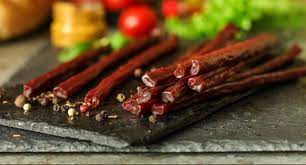
Meat sticks, also known as jerky, have gained popularity as a convenient and portable snack option. Packed with protein and easy to consume on the go, meat sticks offer several advantages. However, it is essential to consider the potential drawbacks associated with their consumption. In this article, we will explore the advantages and disadvantages of meat sticks in the diet.
Advantages of Meat Sticks
High Protein Content:
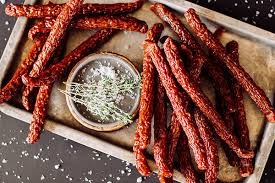
One of the significant advantages of meat sticks is their high protein content. Protein is an essential macronutrient that plays a crucial role in muscle repair, growth, and overall health. Meat sticks are often made from lean cuts of meat, making them a good source of high-quality protein. Including protein-rich snacks like meat sticks in your diet can help promote satiety, maintain muscle mass, and support healthy weight management.
Portability and Convenience:
Meat sticks are incredibly convenient, making them an excellent choice for individuals with busy lifestyles. They are lightweight, easy to carry, and require no refrigeration, making them a perfect on-the-go snack option. Whether you’re traveling, hiking, or simply need a quick pick-me-up between meals, meat sticks provide a convenient way to satisfy your hunger and boost your energy levels.
Extended Shelf Life:
Due to the dehydration process involved in making pasture raised meat sticks, they have a longer shelf life compared to fresh meats. This extended shelf life makes them a practical choice for those who want to stock up on non-perishable protein sources. Pasture raised meat sticks can be stored for months without spoiling, allowing for long-term storage and emergency preparedness.
Disadvantages of Meat Sticks
High Sodium Content:
One significant disadvantage of meat sticks is their high sodium content. During the processing of meat sticks, salt, and other seasonings are added to enhance flavor and act as preservatives. Excessive sodium consumption can lead to increased blood pressure, water retention, and a higher risk of heart disease. It is crucial to monitor your overall sodium intake and choose lower-sodium options or consume meat sticks in moderation.
Processed Nature:
Meat sticks are processed food products, which means they undergo several stages of production, including marinating, smoking, and dehydrating. While processing enhances the shelf life and flavor of meat sticks, it often involves the addition of various preservatives, artificial flavors, and other additives. These additives may have potential health risks, and some individuals may be sensitive to them. Opting for minimally processed or homemade meat sticks can help mitigate this concern.
Potential for Overconsumption:
Due to their savory taste and convenience, it can be easy to overconsume meat sticks. They are often high in calories and can contribute to an excessive intake of unhealthy fats if consumed in large quantities. Moreover, relying heavily on meat sticks as a primary protein source may lead to a limited nutrient profile, as other essential nutrients found in whole foods may be lacking. It is essential to incorporate a variety of nutrient-dense foods into your diet and use meat sticks as an occasional snack rather than a meal replacement.
Conclusion
Meat sticks offer several advantages, including high protein content, portability, and extended shelf life. However, it is important to be mindful of their potential disadvantages, such as high sodium content, processed nature, and the risk of overconsumption. Like any food, moderation, and variety are key. Incorporating meat sticks into a well-balanced diet that includes a range of whole, nutrient-dense foods can provide convenience and enjoyment without compromising overall health and nutrition.